
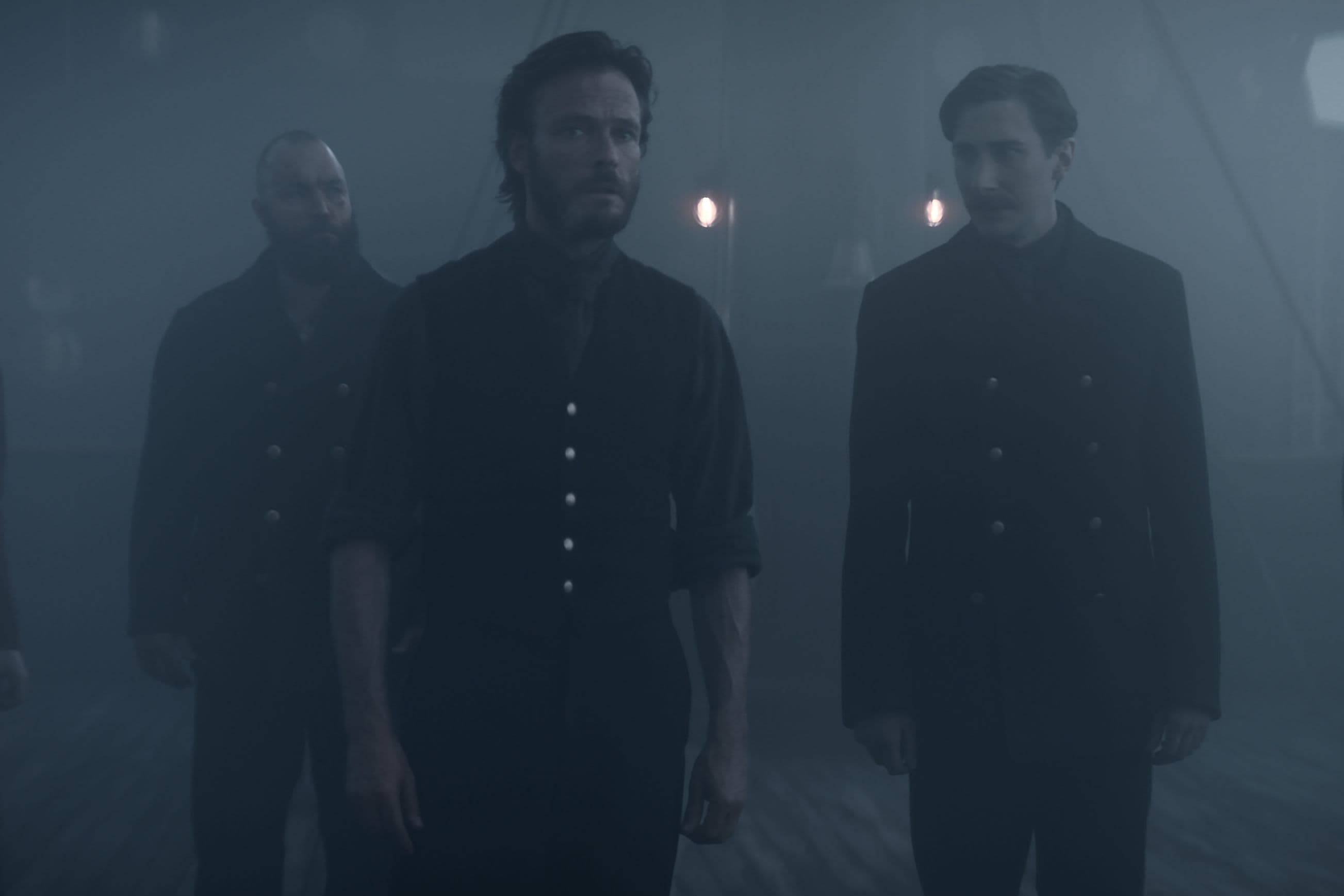
Netflix canceled the critically acclaimed German mystery science fiction series, '1899,' in January 2023, just over a month after its November 2022 premiere. Despite initial high viewership and generally favorable reviews, the streaming giant cited high production costs and a low viewer completion rate as primary factors for not renewing the show for its planned second and third seasons.
Streaming Giant Pulls Plug on Ambitious Series
Netflix has opted not to renew its ambitious multilingual sci-fi mystery series, '1899,' after only one season. The decision, announced in early 2023, left fans and creators disappointed, cutting short a narrative that was originally conceived as a three-season arc.
Behind the Cancellation: Costs and Completion Rates
The series, created by Jantje Friese and Baran bo Odar, the minds behind the acclaimed German series 'Dark,' premiered globally on November 17, 2022. It quickly garnered attention, becoming the most-watched title in 58 countries during its debut week and accumulating 79.27 million hours viewed. However, despite this initial buzz, internal metrics reportedly showed a low completion rate, with less than a third of viewers finishing the entire season. Industry sources indicate that the show's substantial budget, reportedly exceeding €60 million (approximately $62 million USD), combined with these lower-than-expected completion figures, made it an unsustainable investment for Netflix. The streaming platform often prioritizes shows that demonstrate strong audience retention to justify significant production expenses, as detailed in reports on streaming economics. For further insights into Netflix's content strategy, you can explore their official Netflix Newsroom.
A Mind-Bending Premise Cut Short
'1899' captivated audiences with its intricate plot, which began as a period drama aboard the steamship Kerberos, carrying European migrants from Southampton, UK, to New York City. The journey takes a bizarre turn when the Kerberos encounters its sister ship, the Prometheus, mysteriously adrift and seemingly abandoned. This discovery plunges the passengers, including neurologist Maura Singleton (Emily Beecham) and Captain Eyk Larsen (Andreas Pietschmann), into a complex mystery that ultimately reveals a shocking simulation. The show was praised for its multilingual cast and ambitious storytelling, drawing comparisons to 'Lost' for its puzzle-box narrative.
"With a heavy heart we have to tell you that 1899 will not be renewed. We would have loved to finish this incredible journey with a 2nd and 3rd season as we did with Dark. But sometimes things don't turn out the way you planned. That's life." — Jantje Friese and Baran bo Odar, Co-creators, via Instagram
The series utilized cutting-edge virtual production technology, known as "Volume," at Studio Babelsberg in Potsdam, Germany, to create its immersive settings. This advanced filmmaking technique allowed for the creation of elaborate environments without extensive on-location shooting. Despite critical acclaim, including a 79% approval rating on Rotten Tomatoes, the show's slow pacing and complex narrative may have contributed to its lower completion rates among a broader audience.
- The show featured an international ensemble cast, with characters speaking their native languages, including English, Spanish, French, Polish, German, and Danish.
- The narrative explored themes of migration, identity, and the nature of reality, often using philosophical and mythological references.
- A petition to save the show garnered over 100,000 signatures from disappointed fans, highlighting the show's dedicated following.
What This Means
The cancellation of '1899' underscores a significant trend in the streaming industry: the increasing emphasis on immediate and sustained audience engagement over critical reception or artistic ambition. For creators like Friese and Odar, known for their intricate, long-form storytelling, this shift presents a challenge. While shows like 'Dark' were able to build a dedicated fanbase over multiple seasons, the current landscape often demands instant, broad appeal to justify high production costs. This could lead to a preference for less complex, more easily digestible content or a greater focus on marketing to ensure high completion rates from the outset. Developers and content strategists in the tech and entertainment sectors must now consider not just viewership numbers, but also how deeply viewers engage with a series to secure its future.
Key Points
- Netflix canceled the sci-fi mystery '1899' on January 2, 2023, after its first season.
- The series, from 'Dark' creators Jantje Friese and Baran bo Odar, premiered in November 2022 to generally favorable reviews.
- Primary reasons for cancellation included a high production budget exceeding €60 million and a reported low viewer completion rate of less than 50%.
- '1899' was conceptualized as a three-season story, leaving its complex narrative unresolved.
- Fan efforts, including a petition with over 100,000 signatures, were unsuccessful in reversing the decision.
The Bottom Line
The premature end of '1899' highlights the evolving metrics that determine a show's longevity on major streaming platforms. While critical acclaim and initial viewership are important, the emphasis on sustained engagement and cost-effectiveness is becoming paramount. For creators and studios, this means a renewed focus on crafting narratives that not only attract but also retain audiences through their entire run, or risk having even highly praised projects cut short. The future of complex, serialized storytelling on streaming services may depend on finding a balance between artistic vision and commercial viability.