
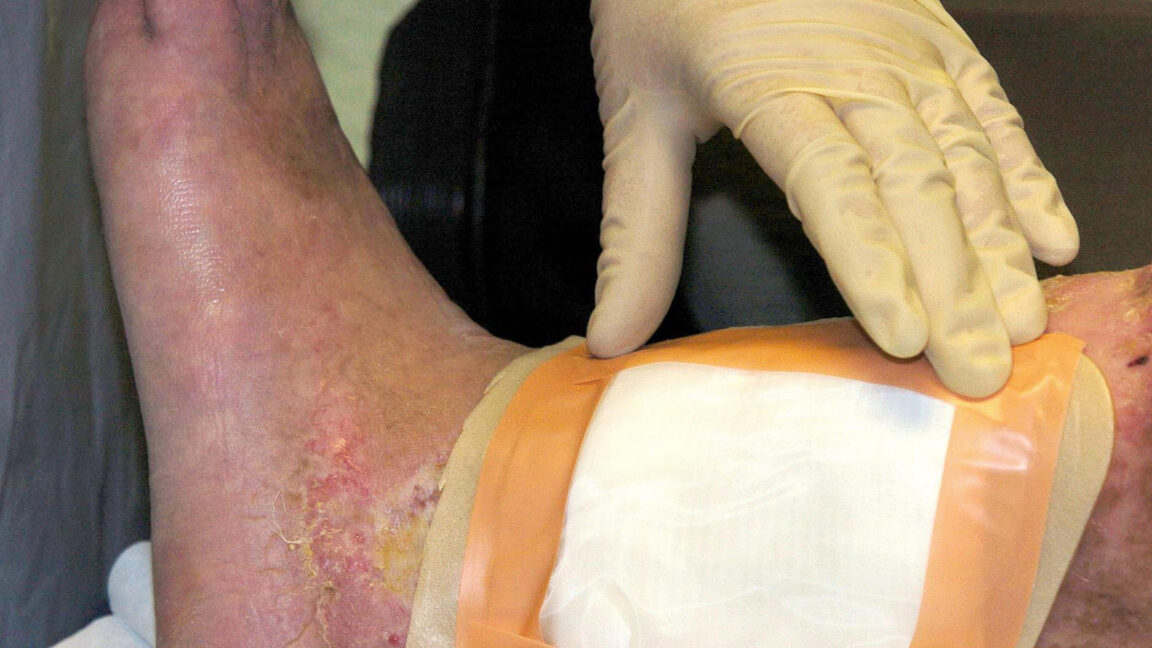
The U.S. Food and Drug Administration (FDA) recently granted 510(k) clearance to Cuprina Holdings for its MediFly Maggots, a medical-grade product utilizing Lucilia cuprina larvae for wound debridement. This marks the second fly species approved for maggot debridement therapy (MDT) in the U.S., positioning Singapore-based Cuprina Holdings as the sole company holding commercial rights for both FDA-cleared species.
New Era for Maggot Debridement Therapy
Cuprina Holdings announced on June 15, 2026, that its MediFly Maggots, derived from the Lucilia cuprina species, received U.S. FDA 510(k) clearance for treating non-healing necrotic skin and soft tissue wounds. This significant regulatory approval expands the available options for maggot debridement therapy (MDT) in the United States, a treatment method gaining renewed interest in modern wound care.
Background of Biotherapy in Wound Care
Maggot debridement therapy, also known as biosurgery, involves using sterile fly larvae to clean infected wounds by selectively consuming dead tissue and bacteria. The first FDA clearance for medicinal maggots was granted in 2004 to Dr. Ronald Sherman for Lucilia sericata, commonly known as the green bottle fly, which is marketed as Medical Maggots. Dr. Sherman, a pioneer in modern MDT, joined Cuprina Holdings as Medical and Scientific Director in September 2025. The FDA's Center for Biologics Evaluation and Research (CBER) has overseen medicinal maggot products since December 2024. Chronic non-healing wounds affect an estimated 1-2% of the population in developed countries, highlighting the ongoing need for effective treatment modalities.
Cuprina's Dual-Species Advantage
With the recent clearance, Cuprina Holdings now possesses U.S. FDA commercial rights for both Lucilia sericata and Lucilia cuprina, a position currently unique among companies in the maggot debridement therapy market. The newly approved Lucilia cuprina, also known as the Australian sheep blowfly, is particularly prevalent in warmer regions like Asia, Australia, and the Middle East. This strategic dual-species portfolio allows Cuprina to cater to diverse international markets where one species may be more recognized or preferred.
"We now hold FDA clearance for both species used in MDT, a position no other company holds. This anchors our wound-care platform in one of the world's most demanding regulatory markets and gives us a defensible edge as we continue to build our portfolio." — David Quek, Chief Executive Officer, Cuprina Holdings
The company emphasizes that while there are no significant therapeutic differences claimed between the two maggot treatments, their distinct geographical familiarity is key to market penetration. The prescription-only MediFly Maggots are applied under the supervision of trained healthcare professionals to remove dead and infected tissue, promoting the body's natural healing processes.
- MediFly Maggots (Lucilia cuprina) received U.S. FDA 510(k) clearance on June 15, 2026.
- The product is cleared for debridement of non-healing necrotic skin and soft tissue wounds, including pressure ulcers and diabetic foot ulcers.
- Cuprina Holdings is the sole company with commercial rights to both Lucilia sericata and Lucilia cuprina for MDT in the U.S.
What This Means
This FDA clearance for Lucilia cuprina represents a significant validation for biotherapy in advanced wound care. For healthcare professionals and patients, it expands the toolkit for managing complex, non-healing wounds, particularly as concerns about antimicrobial resistance grow. The availability of two distinct, FDA-cleared species offers greater flexibility in treatment selection, potentially allowing for more tailored approaches based on patient needs and regional familiarity with the species. Cuprina's strategic positioning with both species could accelerate the adoption of MDT in new markets, especially where Lucilia cuprina is already well-known.
Key Points
- Cuprina Holdings secured U.S. FDA 510(k) clearance for its MediFly Maggots, a product utilizing Lucilia cuprina larvae, on June 15, 2026.
- This makes Cuprina Holdings the only company with commercial rights to both FDA-cleared maggot species for wound debridement therapy.
- Dr. Ronald Sherman, a pioneer in maggot debridement therapy, serves as Cuprina's Medical and Scientific Director.
- Maggot debridement therapy is approved for non-healing necrotic skin and soft tissue wounds, including pressure and neuropathic foot ulcers.
- Chronic wounds affect 1-2% of the population in developed countries, underscoring the demand for innovative wound care solutions.
The Bottom Line
The FDA's clearance of Lucilia cuprina for maggot debridement therapy marks a notable step forward in advanced wound care, providing clinicians with an additional, validated biological tool. Cuprina Holdings' unique position with commercial rights to both FDA-cleared maggot species could significantly influence the global market for biotherapy. As the medical community increasingly seeks alternatives to traditional debridement and antibiotic-sparing treatments, the expanded options in MDT are poised for greater adoption and further innovation.