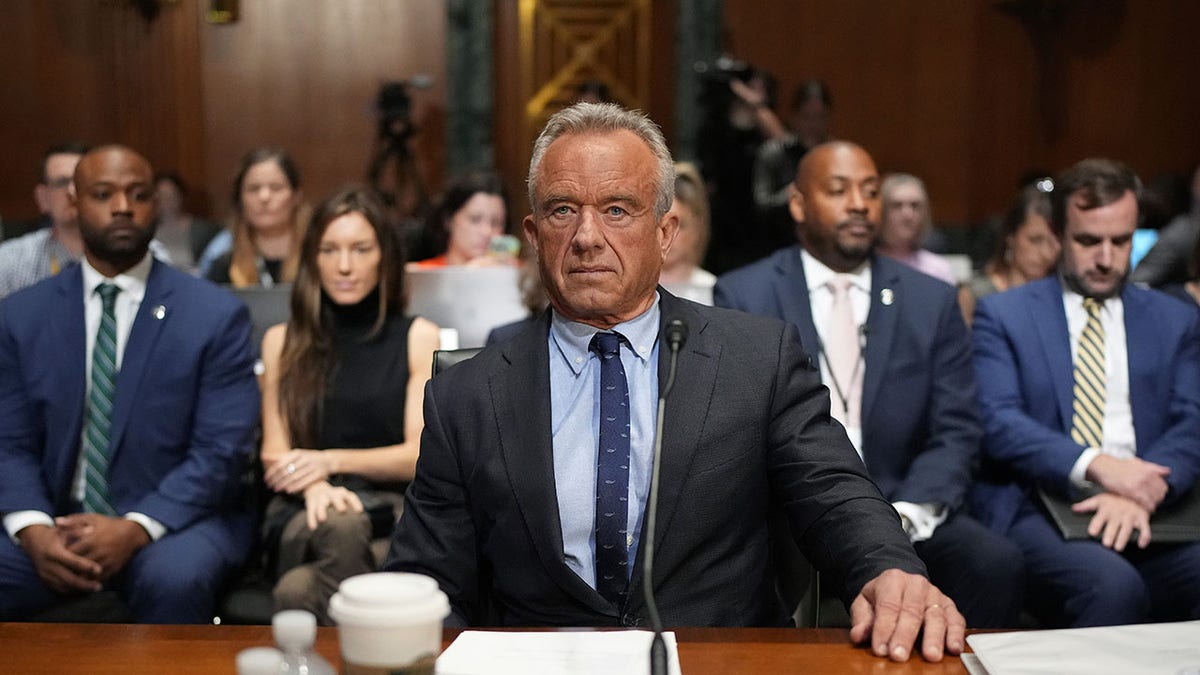
Robert F. Kennedy Jr., serving as the U.S. Secretary of Health and Human Services (HHS), is facing heavy criticism. Medical experts, lawmakers, and public health advocates say he is breaking down vaccine science, public health systems, and key healthcare research. They point to big funding cuts, the firing of expert advisory panels, and the spread of false information. Critics call it a "wrecking ball" for U.S. public health. They say it puts decades of scientific progress at risk and weakens public trust in key institutions. This guide covers the backlash from experts and lawmakers over RFK Jr.'s changes to healthcare research.
"Sabotage": Experts, lawmakers blast RFK Jr. for destroying healthcare research: How is RFK Jr. Allegedly Undermining Healthcare Research?
Since taking office, Secretary Kennedy has put in place many policy and staffing changes that have drawn wide criticism. A main concern is the big shift in research priorities at the National Institutes of Health (NIH). Studies on mRNA vaccines and vaccine hesitancy have been canceled. A network of centers set up to prevent future pandemics has been closed. Kennedy has even suggested a years-long pause on infectious disease research.
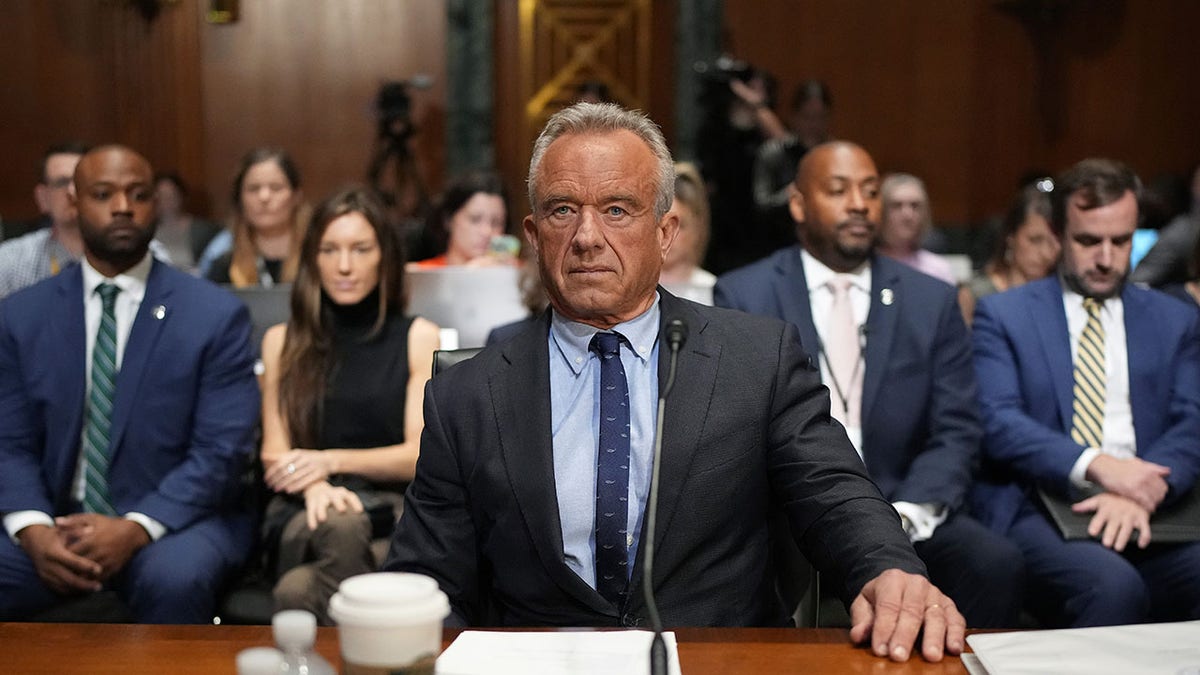
Funding cuts are another big issue. Kennedy's team has ended nearly $500 million in federal funding for mRNA vaccine research. This technology was key to making COVID-19 vaccines fast. It also holds great promise for future treatments, including personalized cancer vaccines. The proposed fiscal year 2026 budget for HHS includes large cuts. It has an $18 billion reduction for the NIH and a $3.5 billion drop for the Centers for Disease Control and Prevention (CDC). The Agency for Healthcare Research and Quality (AHRQ) has seen over 100 grants canceled, totaling more than $250 million. This has hit nearly 200 research programs across 30 states. Senators Richard Blumenthal (D-Conn.) and Tammy Baldwin (D-Wis.), along with 28 colleagues, wrote a letter to Kennedy. They said this "unprecedented action undermines decades of taxpayer investments to improve healthcare delivery, patient safety, and health outcomes for all Americans."
The integrity of scientific advisory groups has also been hit. On June 9, 2025, Kennedy suddenly fired all 17 medical experts from the CDC's Advisory Committee on Immunization Practices (ACIP). He replaced them with new appointees. Critics say some of these new members have little relevant experience or hold views against established vaccine science. Leading medical groups, including the American Medical Association and the American Academy of Pediatrics, are reportedly no longer invited to. Take part in ACIP workgroups. Paul Offit, a vaccine expert at the Children's Hospital of Philadelphia, shared his concern. He said, "The biggest impact of this will be that the medical and scientific community will not trust the advice that comes out of this new ACIP."
Concerns also extend to staffing choices. One example is the hiring of David Geier, a vaccine skeptic who was previously disciplined for practicing medicine without a. License, to lead a study looking again at the long-debunked theory linking vaccines to autism. Kennedy has also been criticized for reducing openness by limiting public comment chances during the writing of new rules. In June 2026, he faced claims that he tried to pressure and influence the editorial process of the journal Toxicology Reports after it pulled back a flawed vaccine study. Vaccine law expert Dorit Reiss called the move "bullying." Whether you are new to this issue or already familiar with it, the sections below have you covered.
What This Means for Tech and Innovation?
The claimed "sabotage" of healthcare research under Secretary Kennedy's leadership has deep effects on the tech sector, especially in areas that meet biomedical innovation. Cuts to the NIH and the end of mRNA vaccine research funding directly slow progress in biotechnology, genomics, and advanced medical diagnostics. mRNA technology, for example, is a major step forward in drug development and disease prevention. It has uses far beyond infectious diseases, reaching into personalized medicine and cancer therapies. Halting this research not only blocks potential breakthroughs. It also risks letting other countries take the lead in these key scientific and tech fields.
The loss of public trust in scientific groups, as shown by polls pointing to falling confidence in the CDC, FDA. And NIH, can also slow the uptake of new health technologies. If people doubt the science behind them, the path gets much harder for new digital health tools, AI-driven diagnostics, and data-heavy research platforms. Tech companies that rely on strong, publicly trusted scientific data for their products face an uphill fight. Making science political breaks the very base of data-driven decision-making, which is a core part of modern tech progress.
What's Next in Healthcare Research and Policy?
The ongoing fight over Secretary Kennedy's actions points to a tough future for U.S. healthcare research and policy. Lawmakers and public health advocates are pushing back. They want the canceled grants restored and a new focus on evidence-based science. The long-term impact on public health could be serious. Falling vaccination rates are already leading to measles outbreaks. Dangerous gaps are also opening up in infectious disease detection and prevention.
The scientific community now has the task of rebuilding trust and pushing for steady, non-political funding for key research. For the tech sector, this period calls for a sharper focus on ethical AI in healthcare, open data practices. And likely more private investment to fill the gaps left by federal funding cuts. The path of U.S. healthcare innovation will depend a lot on whether leaders can agree to put scientific integrity and strong research first, protecting. Both public health and the future of medical technology. Keep this reference handy whenever you work with this issue.