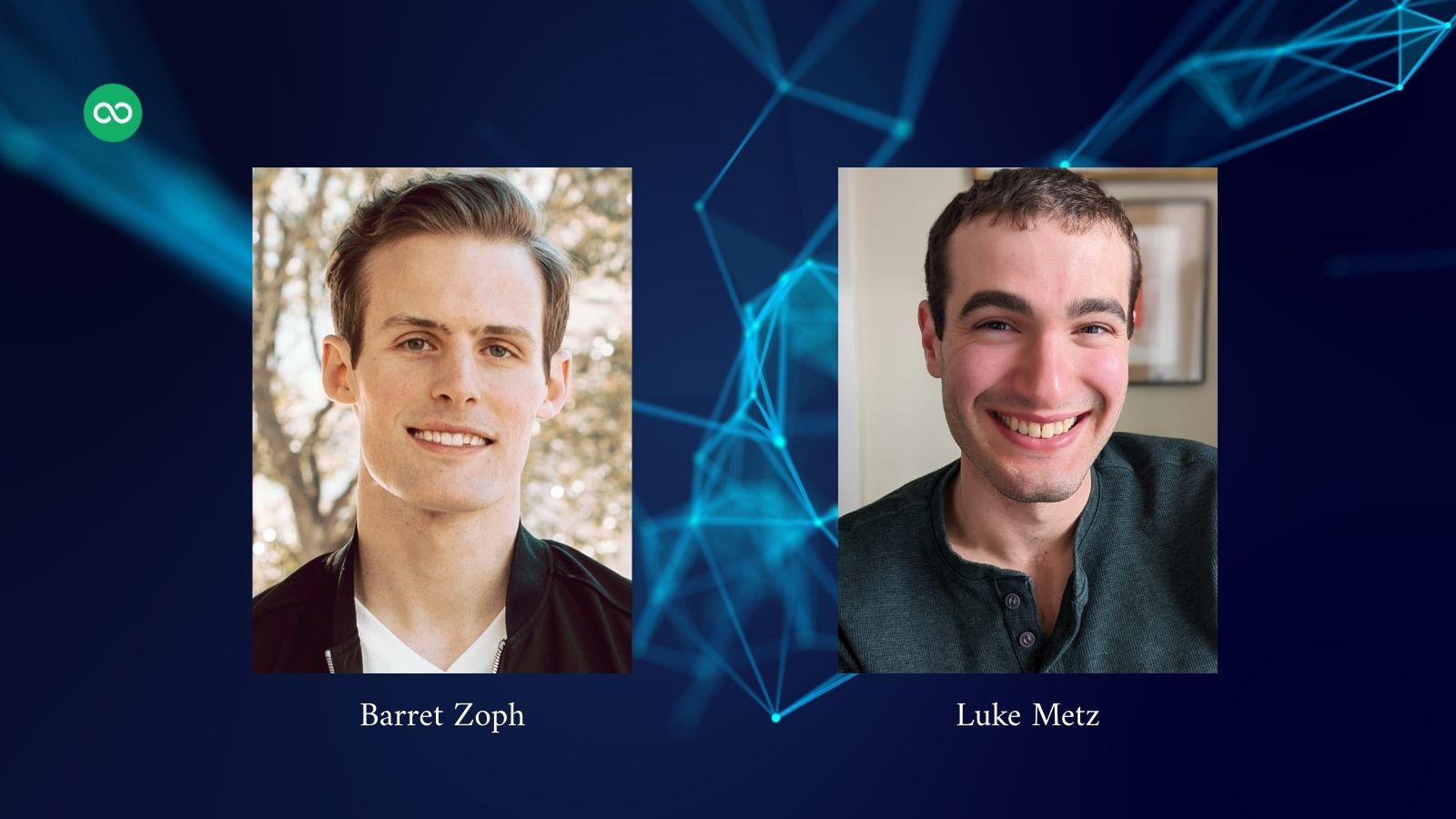
Barret Zoph, a co-founder of Thinking Machines and a former OpenAI research lead, has joined Google. This is his third high-profile move in fifteen months, according to TechCrunch. The hire shows how aggressively Google DeepMind is pulling talent from its biggest generative-AI rivals. This guide covers Barret Zoph, the Thinking Machines co-founder ousted before joining OpenAI. And is now at Google in detail. You can also read Google Confirms Pixel Watch 1 Health Data Error Was a Bug, Device Remains Fully Supported.
Zoph spent about two years at OpenAI before he left in October 2024. He left to co-found Thinking Machines with former OpenAI Chief Technology Officer Mira. Murati, who had left the lab a month earlier. In January 2026, Zoph and fellow co-founder Luke Metz "quite dramatically" left the. Startup and returned to OpenAI, TechCrunch reported. It was later revealed that Zoph had been fired from Thinking Machines, adding. A rare public stain on what had. Been one of the most-watched AI launches of 2025.
Barret Zoph, the Thinking Machines co-founder ousted before joining OpenAI, is now at. Google: Why is Google hiring executives from rival AI labs?
Google's hire of Zoph fits a pattern set by the 2023 hiring of Character.AI founders Noam Shazeer and Daniel De Freitas. It also fits the 2024 absorption of Windsurf's leadership team. The strategy, often done through "reverse-acquihire" deals. That turn talent buys into equity deals, lets Big Tech avoid regulatory scrutiny. While still getting the founders behind frontier-model labs. According to TechCrunch, Zoph will join a Google research team, though his exact. Role within Google DeepMind has not been made public.

What does Zoph's firing reveal about startup stability?
The story around Zoph's exit from Thinking Machines is a classic case study in founder-departure risk. Sources told TechCrunch the split was bitter, with fights over compute allocation, research direction. And commercialization timelines cited as factors. For tech readers looking at early-stage AI companies, the episode shows. That big headline valuations do not protect startups from governance and strategy fights, especially. When founders keep significant technical control.
What This Means
For people in the field, the takeaway is structural: the AI talent market is now a closed loop among Google, OpenAI, Anthropic. And Meta. Mid-stage startups serve as temporary waypoints. Engineers weighing job offers should expect. That any frontier-AI resume will be shopped hard between the four hyperscalers within a 12-to-24-month window. For investors, the Zoph case is a warning. That co-founder defections can destroy value faster than a single key-employee loss at a mature company.
What's Next
Google DeepMind is expected to publish a new Gemini variant within the next quarter. Insiders think Zoph may contribute to post-training or agentic workflow research. Meanwhile, Thinking Machines faces a key test of whether Murati can steady the. Company without two of its three named co-founders. OpenAI, which absorbed Metz back into its research org, will likely face fresh. Questions about why it keeps losing senior staff to Google.
Key Points
Barret Zoph has joined Google after leaving Thinking Machines and OpenAI within 15 months.
Zoph was fired from Thinking Machines after co-founding it with Mira Murati in October 2024.
Thinking Machines raised $2 billion at a $10 billion valuation before the leadership exodus.
The Bottom Line
Zoph's three-stop tour through OpenAI, Thinking Machines, and Google is the clearest signal yet. That frontier-AI talent has become the scarcest resource in technology. It also shows that the companies. That control it will keep trading personnel as hard as they trade model weights.
FAQ
He is a machine-learning researcher who co-founded Thinking Machines with Mira Murati. He previously spent two years at OpenAI on post-training and multimodal alignment. And has now joined Google.
According to TechCrunch, he was fired after fights with co-founders over compute allocation, research direction. And commercialization, alongside co-founder Luke Metz.
His specific title has not been made public. But TechCrunch reported he is joining a Google research team, most likely within Google DeepMind.
Related Resources
For more context, check our related article on Google Confirms Pixel Watch 1 Health Data Error Was a. Bug, Device Remains Fully Supported.